Expert Skincare Guidance
Achieve Radiant, Healthy Skin at Every Age
Science-backed skincare advice, ingredient guides, and personalized routines to help you build a skincare practice that truly works for your unique skin type and concerns.
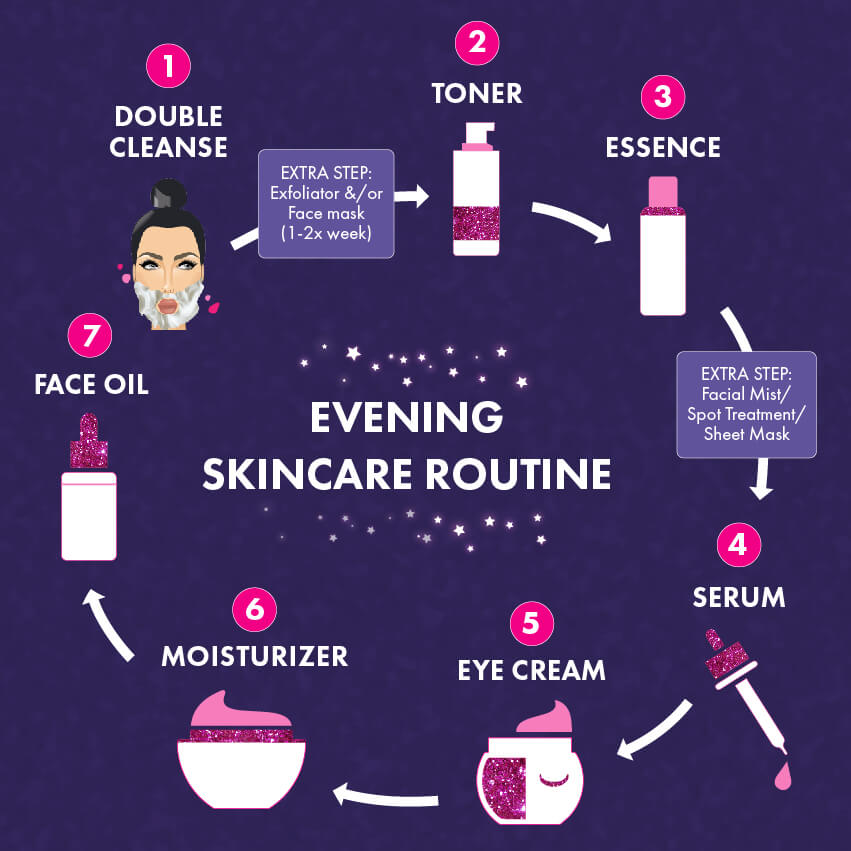
Science-backed skincare advice, ingredient guides, and personalized routines to help you build a skincare practice that truly works for your unique skin type and concerns.
From building your first routine to understanding advanced ingredients, our expert guides cover everything you need to know about caring for your skin.
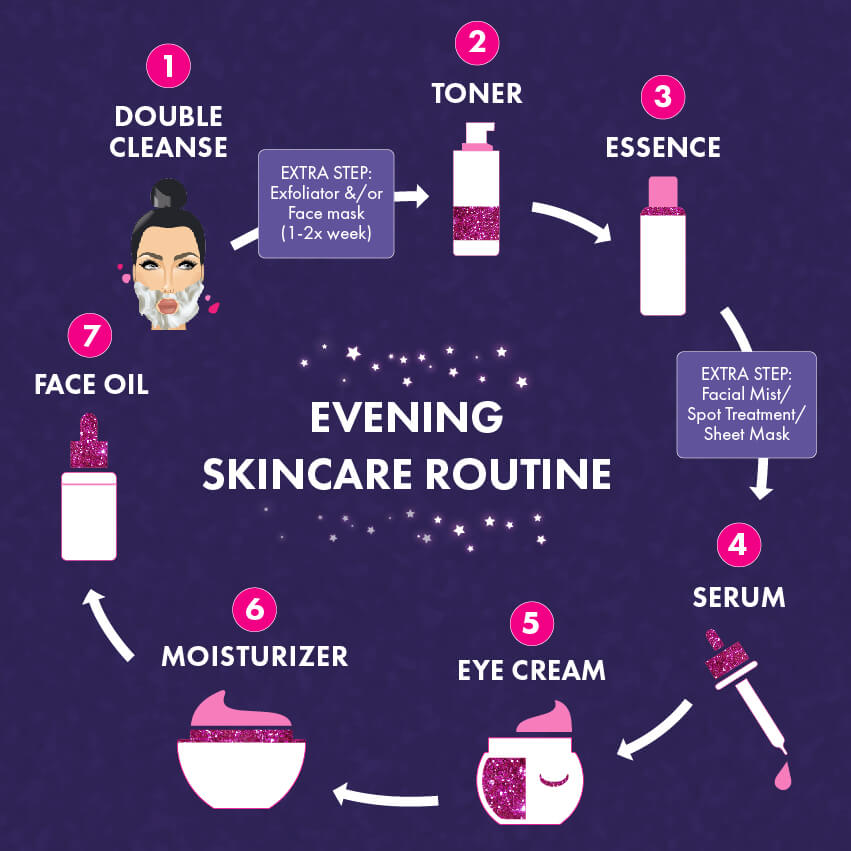
A consistent, well-designed skincare routine is the foundation of healthy skin. Learn how to identify your skin type and build a routine that addresses your specific concerns.
Read More
Proper hydration is the cornerstone of every effective skincare routine. Discover the difference between humectants, emollients, and occlusives, and how to use each.
Read More
Dermatologists universally agree that daily sunscreen use is the most effective anti-aging measure available. Here is everything you need to know about choosing and using it correctly.
Read MoreEffective skincare begins with understanding your own skin. The skin is the body's largest organ, a complex biological system that performs critical functions including protection from environmental damage, regulation of body temperature, and prevention of water loss. Understanding how your skin works — and what type of skin you have — is the essential first step in building a skincare routine that genuinely serves your needs.
Dermatologists generally classify skin into five primary types: normal, dry, oily, combination, and sensitive. Each type has distinct characteristics, challenges, and optimal care approaches. Normal skin is well-balanced, with adequate hydration, minimal visible pores, and few imperfections. Dry skin produces insufficient sebum, leading to a tight, rough texture and increased susceptibility to irritation and premature aging.
Oily skin produces excess sebum, resulting in a shiny appearance and enlarged pores, but is also more resistant to wrinkle formation. Combination skin features both oily and dry areas — typically an oily T-zone (forehead, nose, and chin) with drier cheeks. Sensitive skin reacts easily to products and environmental factors, experiencing redness, itching, or burning in response to triggers that would not affect other skin types.
Skin undergoes significant changes throughout the aging process. In your twenties, collagen production begins to slow and the first fine lines may appear. In your thirties, cell turnover decreases, leading to a duller complexion and more pronounced lines. By your forties and fifties, significant collagen and elastin loss results in deeper wrinkles, loss of firmness, and changes in skin texture and tone.
Understanding these changes allows you to adapt your skincare routine proactively, incorporating ingredients and practices that address the specific challenges of each life stage. Retinoids, vitamin C, hyaluronic acid, and peptides are among the most evidence-supported ingredients for addressing age-related skin changes.
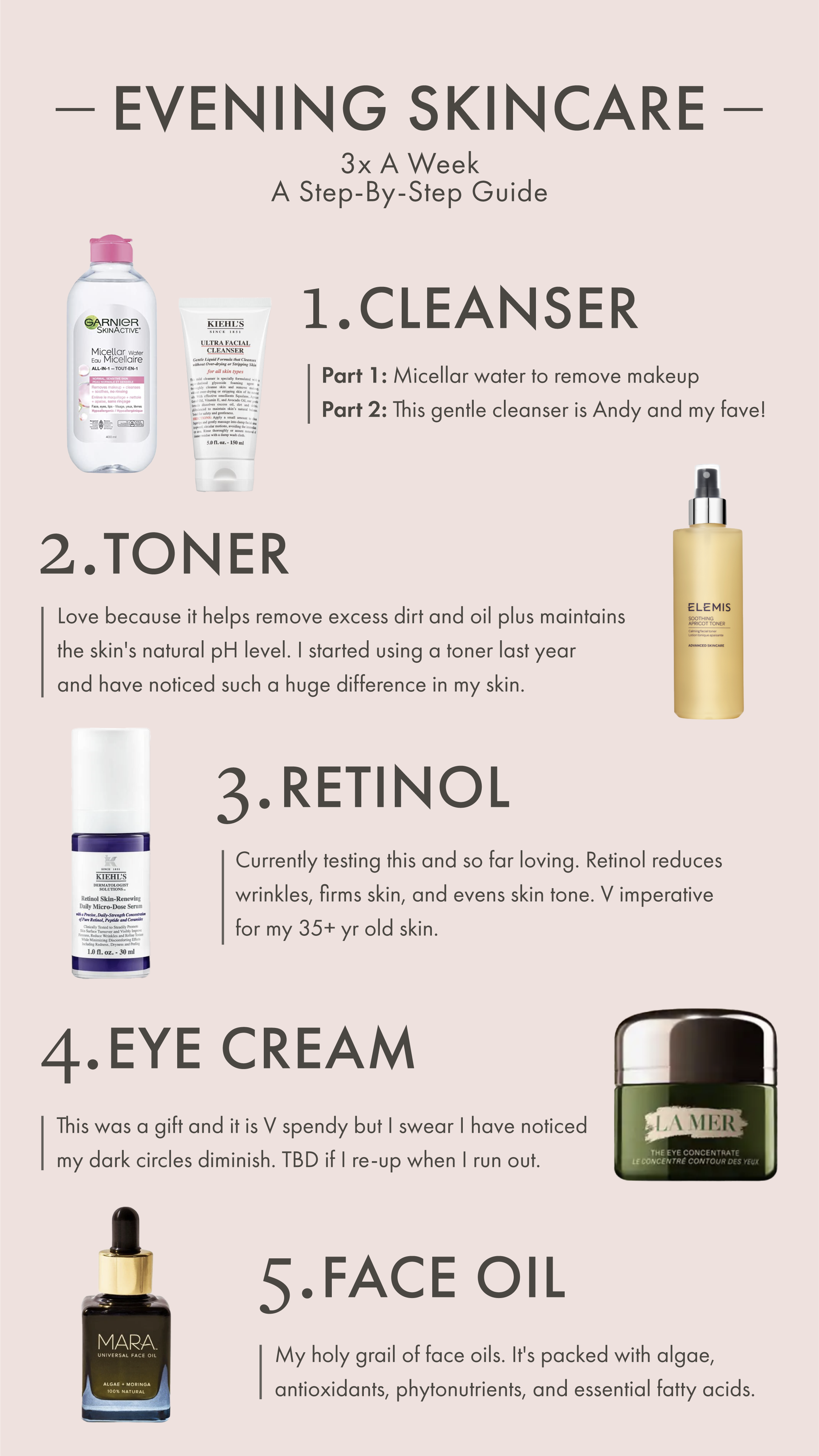
Evidence-based practices that dermatologists recommend for achieving and maintaining healthy, radiant skin.
UV radiation is the leading cause of premature skin aging and the primary environmental risk factor for skin cancer. Apply a broad-spectrum SPF 30 or higher sunscreen every morning, even on cloudy days and during winter months.
Cleansing removes dirt, oil, and environmental pollutants that accumulate on the skin throughout the day. Use a gentle, pH-balanced cleanser morning and evening, and avoid harsh scrubbing that can damage the skin barrier.
Even oily skin benefits from moisturization. A well-formulated moisturizer maintains the skin barrier, prevents water loss, and creates the optimal environment for skin repair and renewal. Apply while skin is still slightly damp for best absorption.
Retinoids — derivatives of vitamin A — are among the most extensively studied and proven skincare ingredients available. They stimulate cell turnover, boost collagen production, and address a wide range of skin concerns from acne to fine lines and hyperpigmentation.
Vitamin C is a powerful antioxidant that neutralizes free radicals, brightens the complexion, and supports collagen synthesis. Applied in the morning under sunscreen, it provides an additional layer of protection against UV and pollution damage.
Adequate water intake supports overall skin health by maintaining cellular hydration and facilitating the elimination of toxins. While topical hydration is essential, internal hydration from sufficient water consumption also contributes to skin plumpness and radiance.
The skin undergoes its most intensive repair and regeneration during sleep. Growth hormone release, increased blood flow to the skin, and elevated collagen production all peak during deep sleep. Consistently getting 7 to 9 hours of quality sleep is one of the most powerful anti-aging strategies available.
Chronic stress elevates cortisol levels, which can trigger inflammation, impair the skin barrier, worsen acne and eczema, and accelerate aging. Stress management practices including exercise, meditation, and adequate sleep have measurable positive effects on skin health.
Email: [email protected]
Address: 850 Beauty Boulevard, Suite 200, Los Angeles, CA 90028, United States